Every major construction or mining site in Australia has one thing in common. You’ll see dump trucks moving material from point A to point B, all day long. Road upgrades, housing estates, energy projects, and mine expansions all depend on heavy haulage running on schedule. These machines shift earth, gravel, rock, and demolition waste in volumes that no other vehicle can match. And for the contractors running these jobs, getting the right trucks on site at the right time is a planning priority that can make or break a project timeline. Learn More → guest post services
Growing Infrastructure Demand Is Driving Equipment Needs
Australia’s construction pipeline is enormous right now. Infrastructure Australia’s 2025 Market Capacity Report puts the nation’s Major Public Infrastructure Pipeline at $242 billion over five years, a 14% jump from the previous year’s forecast. That figure covers transport, energy, housing, and utilities projects from coast to coast. All of that work needs earthmoving, site clearing, and material transport at a massive scale. So, it’s no surprise that contractors regularly turn to dump truck hire services rather than purchasing machines outright. Get Insights → medicinenet
The logic behind hiring is straightforward. A six-month road resurfacing job requires different truck specs than a two-year open-cut mining operation. Owning a fleet means carrying registration, insurance, servicing, and storage costs all year, even during downtime between contracts. View Guide → beauty tips – wellhealthorganic.com
Hire agreements remove that overhead and replace it with a predictable, project-based expense. They also let contractors scale their fleet up during peak phases and pull machines off-site once volumes drop. For small-to-mid-size operators in particular, that flexibility is worth more than any asset on the books. Read More → improveville. com
Picking the Right Truck for the Conditions
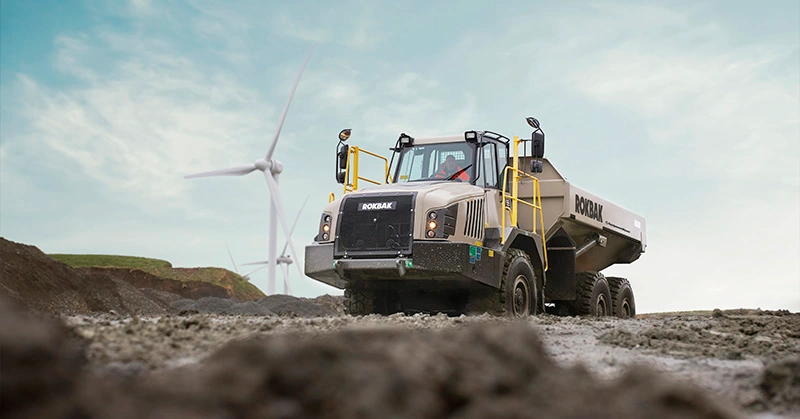
One of the most common (and expensive) mistakes on a job site is running the wrong machine for the terrain. An articulated dump truck handles soft, boggy ground well because of its pivot steering and weight distribution. Rigid dump trucks are built for established haul roads where payloads are heavier and the surface is compacted. Side-tippers suit tight spaces where loads need to be placed with precision along an edge or into a trench. Discover More → seo outreach
Making this choice requires teams to answer a few practical questions:
- How heavy is the material being moved
- How far does this material need to travel?
- Can the site roads handle a rigid truck, or is the ground too soft or uneven?
- Are there access restrictions like narrow entries, steep gradients, low overhead clearances, or other hurdles?
- Does the site sit in an urban zone with noise or dust limits?
Good hire providers do more than just drop off a truck. They walk through site conditions with the contractor, recommend configurations that suit the job, and flag potential issues before the machine even arrives. That kind of input avoids costly mismatches, the sort that burn fuel, blow timelines, and put operators at risk. Expert Review → jalbitehealth guides
Safety, Compliance, and the Labour Shortage
Dump trucks are among the largest pieces of mobile plant on any site. They operate close to workers on foot, light vehicles, and other machinery, so there is very little room for error. Australian WHS regulations require all plants to meet strict standards before it enters a work zone, and compliance paperwork has to be airtight. Trucks sourced through reputable hire companies typically arrive serviced, inspected, and certified. That takes a real burden off the contractor’s shoulders. Read Expert Tips → how painful is kialodenzydaisis
There is also the workforce issue. The same Infrastructure Australia report flagged a projected shortfall of 141,000 workers needed to deliver the current pipeline, with regional areas expected to be hit hardest. When labour is tight, spending internal hours sourcing spare parts, coordinating maintenance schedules, or chasing down registration renewals is a poor use of time. Complete Guide → medicine for kialodenzydaisis healing
Hiring well-maintained, ready-to-go equipment frees crews up to focus on actual production. Compliance responsibilities like the following are easier to manage when the equipment itself arrives in top shape:
- Pre-start checks
- Operator competency verification
- Load limit adherence
- Emissions standards
Conclusion
Australia’s industrial workload is not slowing down any time soon. From suburban housing developments to remote mining hauls, dump trucks remain central to getting material where it needs to go. Hiring gives contractors a practical way to access the right machines without the weight of full ownership. As the national infrastructure pipeline grows, so will the need for flexible, compliant, and cost-effective heavy haulage solutions. Detailed Review → naturaplug.com