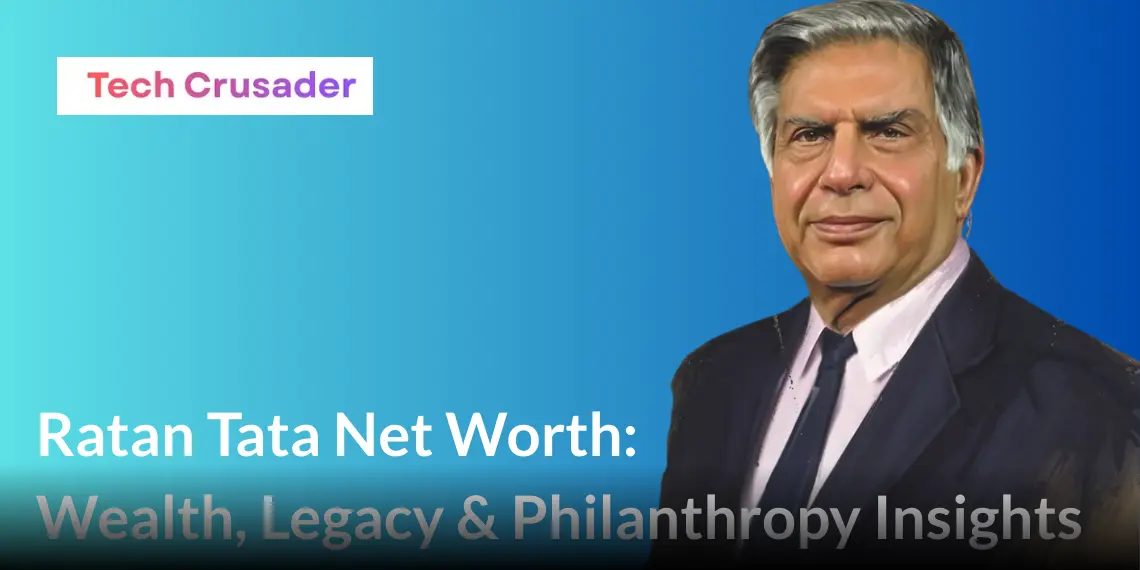
Who Was Ratan Tata? A Quick Personal and Career Profile
Ratan Tata, the former chairman of Tata Sons, is not just a business magnate; he’s a symbol of leadership, integrity, and social responsibility. Born into the Tata family on December 28, 1937, Ratan Tata took over the helm of the Tata Group in 1991, a period when the company was facing significant challenges in a rapidly changing global economy. Under his leadership, Tata Group flourished and became one of the most respected conglomerates in the world, expanding its presence in sectors such as steel, automotive, telecommunications, hospitality, and IT.
Tata was not just a businessman; he was an engineer, an innovator, and a philanthropist who shaped the modern image of corporate India. His influence can be seen in his strategic acquisitions, such as Jaguar Land Rover and Tetley Tea, as well as the development of the Tata Nano, which aimed to make car ownership affordable for the masses in India. Despite his monumental success, Ratan Tata is known for his humility and down-to-earth demeanor, which has made him an inspiration to millions. His approach to business was always underpinned by a strong ethical foundation and a commitment to corporate responsibility, setting him apart from many other business leaders.
Top Insight: Kanye West Wife: Everything You Need to Know About Bianca Censori
What Was Ratan Tata’s Net Worth? Key Figures and Estimates
Ratan Tata’s net worth has been a topic of intrigue, largely because his wealth is intertwined with the wealth of the Tata Group, where his personal stake is relatively small compared to the value of the conglomerate. Estimates of his net worth vary widely, with most reports suggesting that his wealth is between ₹3,800 crore (approximately $456 million) and ₹7,900 crore (around $1 billion). However, it’s essential to note that these numbers are not absolute, as Tata’s wealth is not easily quantifiable due to the complex ownership structure of Tata Sons, the holding company for the Tata Group.
Ratan Tata’s wealth doesn’t reflect the full value of the Tata Group, which is valued at over $100 billion, because much of the group is owned by charitable trusts. Therefore, his personal wealth is considerably less than what he has helped create through the expansion and success of the Tata Group. This is a unique aspect of his wealth—most of the profits and assets of the group are directed towards the welfare of society through these trusts.
While Tata does not appear on typical billionaire lists like Forbes, his wealth is not solely defined by money. His influence in global business and his legacy of philanthropy add to the value of his contribution to society, even if his wealth is not in the public spotlight.
More Reading: Cristiano Ronaldo Net Worth (2025): Salary, Career, Contracts, Luxury Life & Business Empire
How Did Ratan Tata Accumulate His Wealth?
Ratan Tata’s wealth came from his involvement in the leadership of Tata Group, as well as from his smart investments in various emerging companies. While his personal stake in the Tata Group is small, the impact of his leadership on the group’s growth and success cannot be overstated.
Stake in Tata Sons and Corporate Holdings
Tata Sons, the holding company for Tata Group, owns most of the group’s assets, including some of its most famous subsidiaries like Tata Steel, Tata Motors, and Tata Consultancy Services (TCS). However, much of the wealth generated by the group is directed towards charitable trusts, which means Ratan Tata’s personal wealth is much smaller than the total value of the company. Despite his relatively small personal stake in the group, Ratan Tata’s leadership has been instrumental in the company’s global success.
Under Tata’s guidance, the Tata Group expanded internationally, making high-profile acquisitions such as Jaguar Land Rover in 2008 and Tetley Tea in 2000. These acquisitions not only helped increase the group’s presence in global markets but also contributed to Ratan Tata’s net worth. His leadership in steering the group through the liberalization of India’s economy and his focus on expanding its global footprint played a crucial role in building the empire that Tata Group is today.
Investments in Startups and Companies
In addition to his leadership role in Tata Group, Ratan Tata has made a number of strategic investments in various startups and growing companies, some of which have significantly contributed to his wealth. These investments reflect Tata’s vision for the future of India’s economy and his desire to support innovative businesses. Notable investments by Ratan Tata include:
- Ola: One of India’s leading ride-hailing services.
- Paytm: A major player in the mobile payments and financial services industry in India.
- Lenskart: An online eyewear company.
- UrbanClap (now Urban Company): A platform for hiring skilled professionals for home services.
These investments have made a significant impact on India’s startup ecosystem and contributed to Ratan Tata’s wealth, positioning him as a key player in the country’s evolving economy.
Real Estate and Personal Assets
Ratan Tata also owns significant real estate, including a luxurious home in South Mumbai. His personal assets, however, are not the primary focus of his financial legacy. His wealth is far more associated with his professional endeavors and the broader success of Tata Group, where the majority of the wealth generated is directed towards charitable causes.
Explore Next: Violet Myers Net Worth 2025
Why Ratan Tata Was Not on Traditional Billionaire Lists
Ratan Tata’s absence from the traditional billionaire lists, such as those published by Forbes, is largely due to the unique structure of Tata Sons and the way in which the wealth of the Tata Group is distributed. While the Tata Group is worth billions, the majority of its ownership is held by charitable trusts, not Ratan Tata personally.
This is an important distinction. The trusts that own Tata Sons, such as the Sir Dorabji Tata Trust, control much of the wealth generated by the group. These trusts fund numerous philanthropic projects in India and around the world, which is a key part of Ratan Tata’s legacy. As a result, while Tata played a central role in the success of the group, his personal wealth is not reflected in the same way as other billionaires who hold the majority of their wealth in personal holdings.
Thus, although Ratan Tata has amassed substantial wealth, it is his philanthropic legacy and the transformative leadership he provided to the Tata Group that truly defines his success.
Ratan Tata’s Estate and Wealth Distribution After His Death
While Ratan Tata’s wealth was tied up in Tata Sons and charitable trusts, the distribution of his assets after his death will continue to reflect his values. Given that a large portion of the wealth from Tata Group is directed towards social causes through the Tata Trusts, much of Tata’s fortune will likely remain in these charitable organizations.
These trusts have been instrumental in funding several initiatives in areas such as healthcare, education, and rural development. Following Tata’s passing, his estate will likely be managed in a way that continues to support these causes, maintaining his focus on improving the quality of life for millions of people, particularly those from underserved communities.
The Tata Trusts continue to play a central role in ensuring that Tata’s wealth has a lasting impact on society, even after his death. These organizations have played a significant role in funding medical research, educational programs, and other initiatives aimed at improving lives across India.
Read Next: Young Dolph Net Worth: Full 2025 Guide of Career, Earnings & Legacy
Ratan Tata’s Philanthropic Impact: Wealth Beyond Money
Ratan Tata’s legacy is not just about financial wealth, but about how he used that wealth to impact society. His commitment to philanthropy is one of the defining features of his career. Tata’s personal values have always focused on using his wealth to serve the greater good, and he has done so through the work of the Tata Trusts.
The Tata Trusts are one of India’s largest charitable organizations and focus on a range of issues, including:
- Healthcare: Funding medical research, providing healthcare services to underserved populations, and supporting public health initiatives.
- Education: Supporting initiatives to improve access to education, from primary schooling to higher education.
- Rural Development: Helping to improve infrastructure and living standards in rural areas of India.
Through these initiatives, Ratan Tata’s wealth has been used to improve the lives of millions of people, making his legacy one of not just business success, but also social impact. His focus on philanthropy has set him apart from many other business leaders, making him a respected figure in both business and humanitarian circles.
Expert Overview: Zachirific Net Worth 2025: Biography, Income, Career, Lifestyle & Complete Financial Breakdown
Common Questions About Ratan Tata’s Net Worth
What was Ratan Tata’s richest year?
Ratan Tata’s wealth likely peaked during the early 2000s when the Tata Group expanded internationally through high-profile acquisitions and investments. His leadership during this period was pivotal in the group’s success.
Did Ratan Tata ever appear on global billionaire lists?
No, Ratan Tata did not appear on global billionaire lists like Forbes, largely because the wealth generated by Tata Group is controlled by charitable trusts rather than by Ratan Tata personally.
How did Tata Trusts influence his wealth?
Tata Trusts control much of the wealth generated by Tata Group, and the majority of Ratan Tata’s wealth is directed toward these charitable organizations, which fund a range of social initiatives.
Know More: Duke Dennis Age – Biography, Life Story, Career & Facts
Conclusion:
Ratan Tata’s net worth, while substantial, is only one part of his legacy. His true wealth lies in the positive impact he has had on the business world, on society, and on millions of lives through his philanthropic efforts. Ratan Tata’s approach to wealth was always about more than just financial gain—he used his position and his resources to make a lasting difference. His legacy will continue to inspire future generations, not just for his business acumen, but for his deep commitment to improving the world around him.