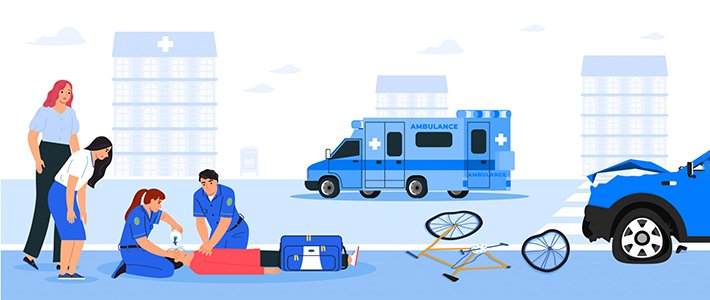
Accidents involving public transportation may seem rare compared to personal vehicle crashes, but they still result in injuries and fatalities that affect thousands of people every year. National transportation statistics show that out of all the major travel modes tracked, motor vehicles account for the highest number of fatalities annually at about 38,000. In contrast, buses and other public transit vehicles show far lower fatality counts, with 300 or fewer deaths each year, and rail incidents result in roughly 700 fatalities. While these numbers reflect how generally safe public transit is compared to driving, even a single bus or train accident can lead to serious injuries that disrupt lives and require significant medical care, rehabilitation, and time away from work.
If you or a loved one has been injured in a public transportation accident and needs help understanding your options for compensation, connecting with legal counsel early can be a major advantage. An experienced firm like Viles & Beckman, LLC, can assist you in determining liability, documenting your injuries, and pursuing damages for medical expenses and other losses. Having knowledgeable representation can make a complex process more manageable, so you can focus on recovery while your case is handled thoroughly and professionally.
Prioritizing Immediate Safety
After a transport accident, one of the first things to do is to check if there are injuries. If safe, move away from the traffic on the road to prevent further injury. Notifying the vehicle operator or conductor can provide timely support. Assessing a situation or gathering information may be necessary. Staying calm helps ensure that people in the vicinity do not panic.
Seeking Medical Attention
Even when injuries seem minor, seeking the appropriate medical assessment is vital, and you should do it as early as possible. This is because complications can develop later. Symptoms may appear hours later, but a medical examination helps identify them early. Only qualified medical personnel can identify unseen injuries that may not be showing just yet. Keeping a record of such examinations and treatments supports future compensation claims (if any).
Reporting the Accident
By notifying the relevant authorities about the accident, you create an official record of the incident. Most public transport services have formal systems to record accidents. When reporting incidents, passengers should be as specific as possible about the location, timing, and nature of the event. Honest accounts help investigators find the reasons for the accident. Reports made soon after an incident are typically more detailed, as the memory of an event usually fades over time.
Collecting Evidence
Evidence explains how the accident happened. Hence, you should document the scene, visible injuries, and damaged personal belongings to support future claims. Not everyone will readily share information on their own, so it is essential to collect contact information from witnesses. This will help you gather independent perspectives on the accident. Take notes to ensure every detail is captured in writing, since it may be challenging to remember the details later.
Understanding Rights and Responsibilities
People have the right to safe travel and appropriate treatment in case of an accident. Being aware of these rights can help a person get the necessary help. Reviewing the rules governing public transport systems helps ascertain whether a case exists. It also helps determine who may be responsible for the accident. Understanding the obligations of various parties can enable passengers to determine the legal protections available to them.
Communicating With Transportation Providers
The more transparent the communication with transportation providers, the better the results will generally be. Passengers can voice their concerns when making inquiries across customer service departments. Other independent organizations may help people involved in accidents. Without well-defined communication, requests and complaints may remain unaddressed. By logging all communications, it is easy to see whether there is progress in your case.
Dealing With Insurance Matters
In some cases, a different type of insurance coverage may apply when a public transportation accident occurs, which is called commercial liability insurance. However, it is still advisable to check personal insurance policies to see what benefits can be availed of. Certain policies might pay for medical costs, lost income, or belongings. Working promptly with insurance representatives will expedite the claims process. Complete documentation and submission facilitate a positive outcome.
Handling Emotional Impact
A common misconception is that accidents only inflict physical harm, but they can also cause extensive emotional damage. Even when physical wounds heal, anxiety, fear, or stress may remain. A therapist or counselor can help streamline recovery. Talking about the difficult experience with friends or family may enable victims to manage their emotions better, as mental health is as important as treating physical injuries.
Conclusion
Injuries due to a public transportation accident (bus, train, or other modes) differ from car wrecks or other accidents. Timely action safeguards human rights and helps victims resume their normal lives. When victims know the legal options available to them and how to care for their physical and emotional well-being, they can make better decisions based on concrete data. Ensuring proper communication and documentation typically helps victims secure the compensation they deserve.