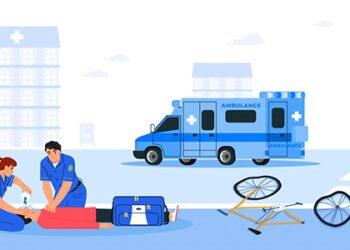
Across Texas, injury and crash figures paint a clear picture of how common serious harm can be on both private and public property. According to a recent report, 15,490 people lost their lives in traffic crashes, and an additional 132,185 individuals were hurt in these collisions. Of the people injured, 41,945 suffered incapacitating injuries that required immediate medical attention. These numbers reflect how unsafe conditions or unexpected hazards can lead to severe consequences, whether someone is walking, driving, or simply present on someone else’s premises.
Understanding your legal rights after an injury means recognizing the protections available and acting quickly to preserve evidence and documentation. Victims and their families benefit when every detail of an incident is recorded, including official reports, witness testimony, medical files, and photos of the scene. Legal advocates such as The Texas Law Dog can help organize this information, advise on applicable laws for private and public property cases, and guide you through settlement negotiations or court proceedings. Having strong representation increases the likelihood that you will be fairly compensated for medical costs, lost wages, and the full impact of your injuries.
Understanding Property Owner Responsibilities
Landlords and property owners are required to ensure that their premises are safe for visitors and guests. They must fix hazards or, at a minimum, warn people about specific dangers. Neglecting matters like broken steps or wet floors could result in liability if someone else gets injured. The scope of this duty is likely to change depending on whether the space is a private or a public-access property.
Differences Between Private and Public Property
Private property is like the home you live in, or a privately owned business, whereas public property is any area managed and maintained by a governmental organization, like a park or sidewalk. Some rules about injuries are primarily based on where you are.
As an example, a homeowner’s duty may be different from that of a city agency in charge of the maintenance of a playground. Victims must recognize these differences if they plan to pursue legal remedies post-accident.
Visitor Categories and Rights
Entrants onto a property are generally classified into three different groups: invitees, licensees, and trespassers. Invitees are permitted to enter for a mutual benefit. For example, customers inside a shop are invitees. Licensees are social guests attending for their own purposes; trespassers enter without permission. Laws (often referred to as premises liability laws) regarding injuries on another person’s property typically grant the most protection to invitees, and the least to trespassers, except in certain scenarios.
Common Causes of Injuries
Injuries from slip and fall accidents are still common, both on private and public property. The risk of accidents increases with uneven pavement, spilled liquids, and poor lighting. Other causes include dropped items, malfunctioning equipment, or attacks due to poor security arrangements. Property owners should ideally tend to these dangers as soon as possible to help prevent injuries to others.
Proving Legal Responsibility
Typically, to receive compensation, an injured individual will need to prove that the property owner owed a duty of care, breached that duty, and subsequently caused them harm. These claims can be backed up with evidence such as photos, statements from witnesses, and medical records. In fact, prompt documentation often helps victims make a case, as conditions can change fast after an incident.
Government Property and Special Rules
Public property injuries come with several additional considerations. For example, many government agencies have more stringent claim-filing requirements, including shorter time limits and particular forms. Public entities may be immune from some lawsuits, thus limiting the available remedies. If you were harmed in one of these environments, though, you must be quicker about protecting your legal rights and must compile as much information as you can.
Comparative Fault and Shared Responsibility
In some cases, the injured party is partially at fault in an accident. However, if you were negligent, such as ignoring warning signs or being reckless, this will lower the compensation. In many jurisdictions, the law allows for damages to be adjusted in accordance with the percentage of fault of each individual. Understanding these principles helps manage expectations related to compensation after any incident.
Seeking Legal Guidance
Claiming for injuries is not without its complications. However, many individuals turn to attorneys who specialize in these situations. An experienced advocate can help you evaluate your position, enable you to understand your rights, and assist you in collecting any necessary evidence. Acting promptly helps retain your legal options and improves the probability of a successful outcome.
Preventing Accidents Through Awareness
Safety responsibilities are not just about specific people or individuals. They protect everyone. Land owners must inspect the premises frequently, rectify hazards, and provide reasonable warnings if required. Staying vigilant, identifying hazards, and complying with posted guidelines are ways that visitors can pitch in to strengthen safety practices. Together, people can make spaces safer for everyone.
Conclusion
Legal protections express rights held by individuals in the event of injuries on private and public property. Familiarity with private versus public spaces, comprehension of who the visitors are, and speed of action immediately following an incident may matter a great deal. Staying vigilant can decrease the risk of an adverse event happening to you and will give you the best chance of obtaining fair compensation if something does happen.