Tampa, Wesley Chapel, Largo, and communities across the state of Florida face a serious safety challenge every time they share the road with large commercial trucks. In 2023, Florida reported thousands of crashes involving large trucks and commercial vehicles, with the state consistently ranking among the highest in the nation for truck‑related incidents and fatalities, including over 8,800 large‑truck collisions that caused injuries or death and more than 240 fatal truck crashes statewide that year. These collisions occur on busy freight corridors like I‑75 and I‑95 near Tampa Bay and throughout Central and West Central Florida, where commuter, delivery, and freight traffic converge.
Understanding liability in truck accident lawsuits is essential for anyone affected by these crashes, especially as the legal landscape in Florida continues to evolve. Whether you’re in Largo or elsewhere in the state, knowing how fault is determined, what duties truck drivers and companies owe to others on the road, and how courts and insurers assign responsibility can directly affect your rights after a serious collision. When serious injuries or losses occur, residents often turn to Distasio personal injury law to help navigate complex liability issues and pursue fair compensation under Florida’s traffic and negligence laws.
Defining Liability in Truck Accidents
Liability refers to the legal fault in an accident. Many truck accident cases may have more than one party to blame. Responsibility could fall on the driver, the trucking company, the maintenance provider, or even the loaders of the cargo. Determining who to blame requires a detailed look at the specifics of the incident.
Truck Driver – What They Do
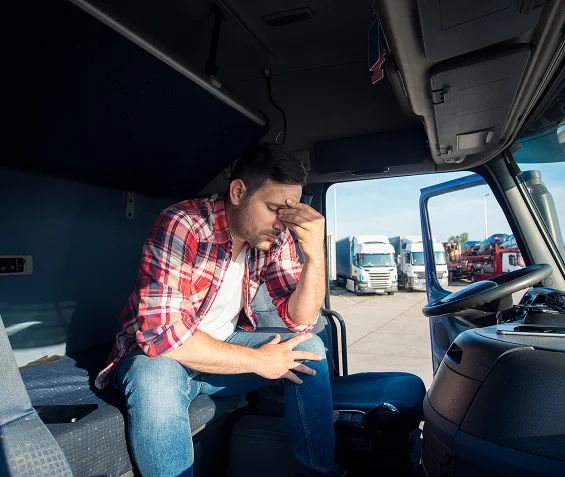
The drivers of commercial vehicles are required to follow the traffic rules and safety guidelines strictly. Drivers can still be held liable for negligent conduct, such as speeding or driving while distracted. Similarly, fatigue is also a leading cause of many accidents. It will add to a driver’s portion of the fault where the facts show they were fatigued or otherwise violated safety rules.
Company Responsibility in Truck Accidents
Trucking companies need their drivers to be properly trained and to follow the traffic rules. They have to maintain their vehicles in good operating condition. A lack of safety enforcement from a company or constant pressure on staff to meet unreasonable deadlines can also cause accidents. In such situations, courts can rule the firm liable for damages.
Maintenance Providers and Liability
In some cases, third-party service providers maintain the trucks. These providers could be held liable if a crash were the result of poor repairs or skipped inspections. In the event of a major collision, accurate records of all maintenance performed reveal the state of the car before the collision.
Cargo Loaders and Their Duties
Cargo that is loaded incorrectly or not secured can lead to fatal accidents. People who load cargo must comply with safety standards since shifting of the load can cause accidents. If cargo shifts and results in a driver losing control of the vehicle, the responsibility can rest with the team that loaded the truck. It helps to identify whether these parties played a role in the incident, as proper record-keeping of loading procedures and inspection of contributing factors are mandatory.
Manufacturers and Product Defects
In some accidents, a defective vehicle part can also be involved. If a defect in a brake, tire, or other part causes it to fail and leads to an accident, the manufacturer of that part may be liable. Courts look at whether the defect was the direct cause of the crash. In such instances, the victims may file compensation claims against the company that manufactured the defective component.
Proving Negligence in Lawsuits
For a claim to succeed, the injured individual must establish that someone was negligent and that this negligence resulted in the accident. Police reports, driver logs, maintenance records, and eyewitness statements can provide evidence to put together a good case. When there is clear documentation, courts can more easily and correctly assign blame.
Comparative and Contributory Fault
Sometimes, more than one party could be to blame. Depending on the jurisdiction, most courts apply comparative or contributory fault rules. Comparative fault allows damages to be apportioned according to how responsible each party was. If the injured person was partly at fault, contributory fault may bar any recovery. These rules are helpful for claimants in setting realistic expectations for cases.
To Sum Up
Truck accident liability is complicated, involving many potential parties and complex relationships amongst those responsible. To establish negligence, you need to do the research and have solid evidence. Knowing how fault is established allows those who are hurt to prepare for the claims process and maximize their likelihood of recovering a full and fair amount. Legal experts provide support and assist individuals and families in recovering from these severe ordeals.
In cases where vehicles need to be relocated after a collision or during legal proceedings, services like El Paso Car Shipping can help manage transport logistics efficiently. This ensures vehicles are handled properly while claims and investigations are ongoing.